
What Is a Dredge Pipe Used For?
2025-10-15What Is the Purpose of Dredging a River?
2025-10-20A slurry hose is a flexible rubber pipeline designed to transport abrasive and corrosive mixtures such as sand, silt, mud, and gravel mixed with water, following ISO 28017 rubber hose standards for dredging service. It’s commonly used in dredging, land reclamation, mining, and construction projects where solid particles need to be pumped over long distances.
Unlike standard water hoses, slurry hoses are built to resist abrasion, bending, high pressure, and corrosion. They are often reinforced with steel wire or synthetic fibers to handle intense working conditions.
In short, a slurry hose is a heavy-duty artery that keeps your dredging or reclamation system alive.
Why Slurry Hoses Are Essential in Reclamation and Dredging
1. Land Reclamation – Building New Land from the Sea
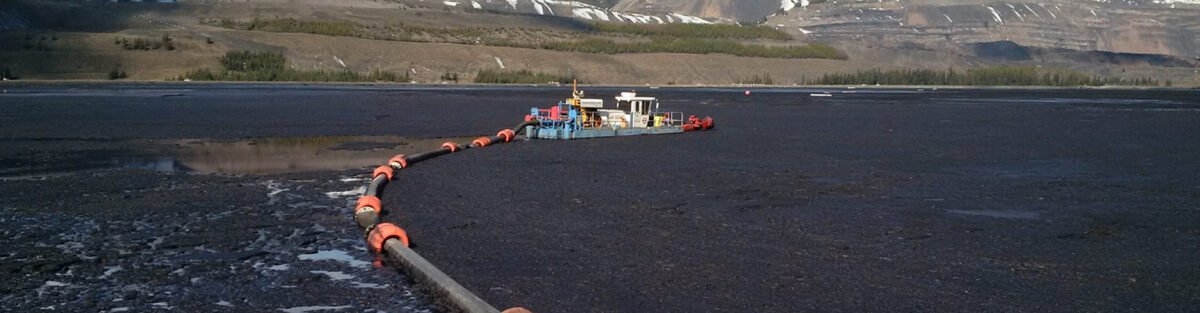
Land reclamation projects require moving millions of cubic meters of sand and mud from offshore to onshore. The slurry hose is the connection between the dredger and the filling area. It carries the dredged material through floating or submerged pipelines.
Here, the hose must:
- Handle continuous abrasion from sand and gravel
- Resist saltwater corrosion
- Maintain flexibility despite constant bending with the tides
- Connect securely to steel pipes or discharge nozzles
If a hose bursts or leaks, it can cause serious delays and even environmental damage. Sunhelmmarine’s wear-resistant rubber slurry hoses are designed specifically for these challenges — with reinforced layers that stand up to long-term marine use.
2. Dredging and Port Maintenance
Dredging removes sediment buildup from harbors, rivers, and shipping channels to keep waterways navigable, as explained by the International Association of Dredging Companies (IADC).
The pumped material (slurry) can be thick and extremely abrasive.
A well-designed slurry hose helps:
- Maintain smooth material flow
- Prevent blockages or pressure loss
- Reduce vibration and stress on the pump system
Floating slurry hoses are often used near dredgers because they can move with waves and currents without kinking. Shore-based sections, on the other hand, use armored or reinforced hoses for protection against rocks and dragging.
(For context on dredging methods, see: [insert authoritative link: International Association of Dredging Companies – IADC Dredging Explained].)
3. Mining and Mineral Transport
In mining, slurry hoses transport mixtures of ore, tailings, and process water between plants and storage areas. These mixtures can be even more abrasive than marine sand, making ceramic-lined or polyurethane hoses ideal for extended wear life.
4. Environmental and Industrial Applications
Slurry hoses are also used in:
- Wastewater and sludge treatment plants
- Environmental cleanup of contaminated soils
- Hydrotransport of fly ash or other fine materials
In these cases, chemical resistance and ease of cleaning become just as important as abrasion resistance. For environmental standards, refer to the U.S. EPA guidelines on dredged material management.
Inside the Design – The Structure of a Slurry Hose
A slurry hose may look simple, but every layer has a critical job. A well-engineered hose from Sunhelmmarine typically includes three main layers and reinforcement:
1. Inner Tube – The Wear Layer
This is the most important part. It’s the layer that comes in direct contact with the slurry, which often contains sharp sand or gravel.
Material options include:
- Natural Rubber (NR): Flexible and resilient, ideal for moderate abrasion.
- Synthetic Rubber (SBR/NBR): Improved resistance to oil and chemicals.
- Polyurethane (PU): Outstanding abrasion resistance, up to three times longer life than standard rubber.
- Ceramic or Lined Inner Tube: Extreme wear resistance for high-impact slurry and long-term dredging.
Sunhelmmarine often recommends PU or ceramic-lined hoses for large-scale dredging and reclamation, where the cost of downtime far exceeds the cost of the hose.
2. Reinforcement Layer – The Strength Backbone
Between the inner and outer layers lies a structure of high-tensile steel wire or synthetic fabric reinforcement.
This layer:
- Maintains shape under pressure
- Resists internal vacuum collapse
- Allows flexibility while keeping high burst strength
Some hoses include multiple reinforcement layers for extreme duty conditions.
3. Outer Cover – The Protection Shield
The outer cover protects against external wear — sunlight, saltwater, dragging, and impact from rocks or equipment. It’s usually made of weather-resistant rubber or synthetic elastomers that resist ozone cracking and UV degradation.
For floating slurry hoses, the outer layer may also include foam buoyancy modules or wear rings to prevent contact with rough surfaces.
4. End Connections – The Secure Link
Slurry hoses can be equipped with:
- Flanged ends (the most common type)
- Quick couplings
- Built-in steel nipples
These ensure tight, leak-free connections between pipeline sections. Sunhelmmarine provides custom flange sizes and bolt patterns to match your dredging system.
Material Comparison Table
| Material Type | Key Features | Best For | Expected Service Life* |
|---|---|---|---|
| Natural Rubber | Flexible, cost-effective | General slurry transport | 1–2 years |
| Synthetic Rubber (SBR/NBR) | Chemical and oil resistance | Industrial slurries | 2–3 years |
| Polyurethane (PU) | Superior abrasion resistance | Dredging, reclamation | 3–5 years |
| Ceramic Lined | Ultimate wear protection | Mining, heavy dredging | 5–10 years |
Laboratory data are often measured using the ASTM D3389 rubber abrasion resistance test.
Why Material Choice Matters
Choosing the wrong hose material can lead to early failure, leakage, and even accidents. Imagine a dredging site where a hose bursts under pressure — not only does it stop the project, but it can also cause environmental fines and repair costs.
That’s why Sunhelmmarine engineers help clients evaluate:
- Particle hardness and size
- Flow velocity
- Working pressure and temperature
- Environmental exposure (UV, salt, chemicals)
Based on these factors, we design a custom slurry hose system that balances cost, flexibility, and wear life.
Real-World Application Example
A land reclamation project in Southeast Asia faced frequent downtime because its standard rubber hoses were wearing out every three months. Sunhelmmarine replaced them with polyurethane-lined slurry hoses reinforced with double-layered steel wire.
The result:
- Hose service life increased from 3 to 14 months
- Maintenance frequency reduced by 60%
- Project saved over $120,000 in replacement and downtime costs within one year
This is the kind of real-world difference that comes from understanding hose design and selecting the right partner.
How to Identify a Quality Slurry Hose
When sourcing hoses for your next project, here’s what to look for:
- Uniform inner lining thickness – ensures consistent wear.
- Reinforcement without gaps – prevents bulging under pressure.
- Tight bonding between layers – avoids delamination.
- Smooth internal surface – reduces friction loss.
- Certified materials – look for ISO or ASTM compliance.
- Proven test results – abrasion, pressure, and vacuum testing.
Sunhelmmarine provides full material certificates and performance test reports for every hose we manufacture — giving our clients full confidence before installation.
Maintenance Tips for Long Life
Even the best slurry hose needs proper maintenance to reach its full service life.
- Inspect weekly: Look for cuts, cracks, or worn areas near flanges.
- Rotate hoses: Swap positions to balance wear.
- Flush after shutdowns: Prevent material buildup and clogging.
- Protect from sunlight: Use covers or shade for long-term outdoor use.
- Record wear patterns: Early signs of internal erosion can predict failure.
By following these steps, most operators extend hose life by 30–50% with no additional cost.
How Sunhelmmarine Supports Your Projects
At Sunhelmmarine, we specialize in engineering and manufacturing custom slurry hoses for dredging, reclamation, mining, and industrial use.
What makes us different:
- End-to-end engineering: From material selection to final assembly.
- In-house testing: Pressure, bending, and abrasion testing under ISO standards.
- Flexible customization: Length, flange type, inner lining, and reinforcement options.
- Global service: On-site technical support for installation and maintenance.
We believe your hose should fit your project — not the other way around. Whether you need a short discharge hose or a 30-meter armored suction line, our team designs solutions that last.
Final Thoughts
A slurry hose is more than just a pipe — it’s a critical component that determines whether your dredging or reclamation project runs efficiently or suffers costly downtime.
By understanding how slurry hoses work, what materials are available, and how to match them to your application, you can make smarter purchasing decisions and avoid expensive mistakes.
If you’re planning a new dredging or reclamation project, or if your current hoses are wearing out too quickly, talk to the experts at Sunhelmmarine.
We’ll help you choose a hose that delivers better performance, longer life, and real cost savings.