
Where is dredging most commonly used?
2025-11-14How Dredging Helps Restore Former Mining Areas?
2025-11-21Land reclamation is one of the most impressive engineering tasks of our time. With coastal cities growing fast and land becoming more expensive every year, building new ground from the sea has become a practical—and often necessary—solution. From port expansions to industrial zones and tourism islands, reclamation helps cities create space where there was none.
In this article, we break down how land reclamation works, the types of methods used, the full engineering process, the environmental side, and the equipment you actually need—including dredging hoses that quietly keep the entire system moving.
1. Why Land Reclamation Still Matters Today
Coastal cities face the same problem: limited land and growing demand. Ports need deeper berths, industries need more space, and governments want new zones for business or tourism. Reclamation offers a direct solution—create land instead of competing for what already exists.
Projects in Singapore, Dubai, Hong Kong, and parts of East Africa show how powerful land reclamation can be when done well. But behind every successful project stands careful planning, strict permits, and the right equipment.
2. Common Types of Land Reclamation
Different coastlines and project goals require different methods. The most common types are:
• Enclosure + Infill
Build a perimeter (usually a seawall or dyke), then fill the area with sand, dredged soil, or rock.
Best for: sheltered waters, ports, nearshore expansions.
• Reclamation by Dredged Material
Dredged sand and silt are pumped from the seabed and directly placed into the reclamation area.
Best for: large-scale projects where nearby seabed materials are suitable.
• Rock Fill or Artificial Islands
Large stones and aggregates form the base, topped with sand.
Best for: deep water, offshore projects, or when long-term stability is critical.
Each method has its own cost level, environmental footprint, and time requirements—so engineers often combine two or more approaches.
3. The Full Engineering Process
Land reclamation is never “just pumping sand.” It is a multi-step process involving planning, approvals, design, equipment selection, and continuous monitoring.
Step 1: Early Studies
- Feasibility study
- Soil and seabed investigation
- Ocean current and wave analysis
- Environmental impact assessment (EIA)
- Permits and government approvals
Step 2: Engineering Design
- Fill volume calculations
- Stability design of dykes and slopes
- Settlement prediction
- Drainage and ground improvement plans
- Pipeline route and equipment layout
Step 3: Pre-Construction Setup
- Preparing access roads or temporary docks
- Bringing in dredgers, pumps, hoses, and barges
- Setting up monitoring tools (survey drones, settlement plates, water quality stations)
- Safety planning and emergency response setups
Step 4: Construction Works
This is where the real action happens:
• Dredging
Cutter suction dredgers (CSD) and trailing suction hopper dredgers (TSHD) loosen and collect seabed material.
• Pumping the Material
The slurry (sand + water) travels through pipelines and dredging hoses to the reclamation zone.
• Spreading and Layering
Bulldozers and excavators distribute the sand. Fill is placed in layers to avoid uneven settlement.
• Ground Improvement
To make the new land stable, engineers use:
- preload surcharging
- vertical drains
- compaction rollers
- stone columns
- soil replacement where needed
Step 5: Monitoring and Finishing
- Settlement monitoring
- Compaction tests
- Environmental reporting
- Building the final surface (roads, utilities, foundations)
Land looks ready fast, but true settlement can take months or even years depending on soil conditions.
4. Key Equipment Used in Land Reclamation
Although reclamation involves many tools, a few pieces of equipment are essential in almost every project.
• Dredgers (CSD and TSHD)
They cut, suck, and transport seabed materials. They are the heart of the operation.
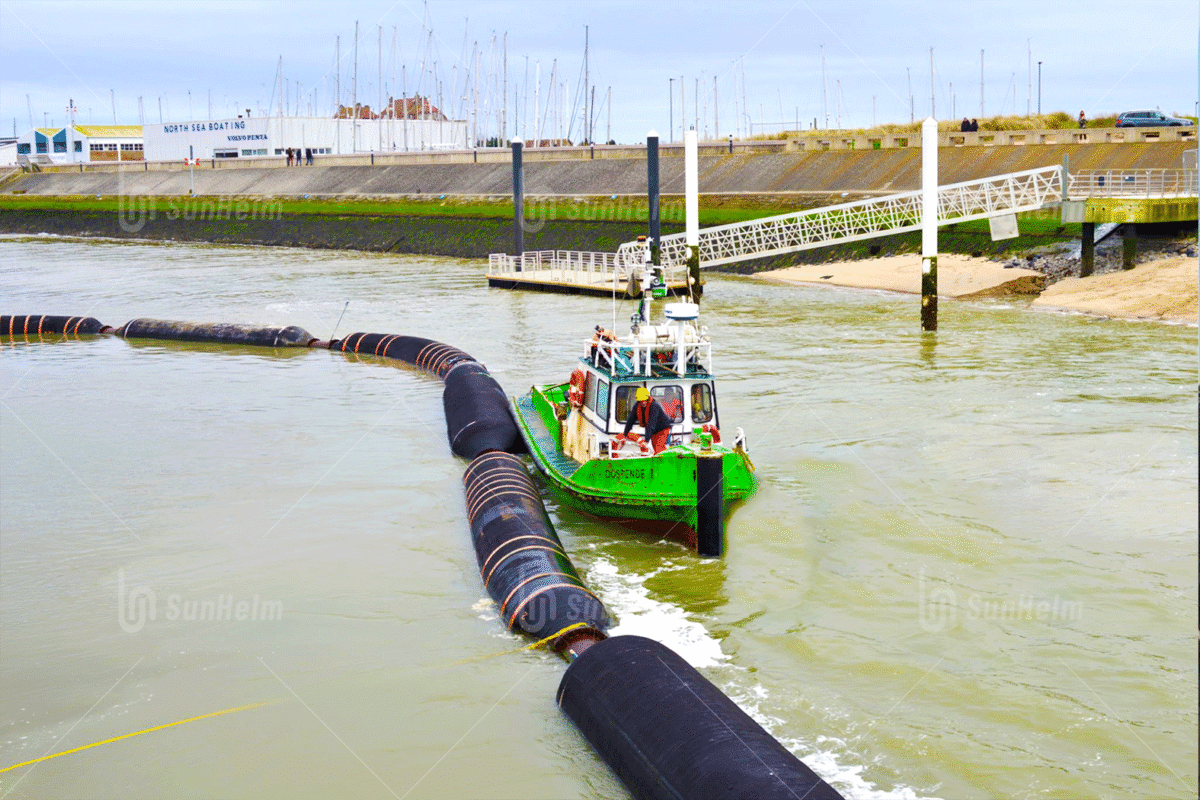
• Dredging Hoses
Dredging hoses may not look exciting, but they keep the whole system running.
They are used to:
- move sand and slurry from dredger to shore
- connect floating pipelines
- absorb waves and movement
- handle high abrasion and high pressure
Important features of a good dredging hose:
- high wear resistance
- strong reinforcement for pressure
- flexibility for waves and tides
- reliable flanges and connectors
Without durable hoses, sand delivery slows down and project delays grow fast.
• Steel Pipes and Floating Pipes
For long-distance slurry transport between dredgers and reclamation zones.
• Pumps and Booster Stations
Used when the delivery distance is too long for a single dredger.
• Onshore Machinery
- excavators
- bulldozers
- vibratory rollers
- dump trucks
These machines help shape and compact the new land.
• Ground Improvement Materials
- sand
- gravel
- geotextiles
- geogrids
- chemical stabilizers
These materials help ensure long-term stability.
5. Environmental Impacts and How Projects Reduce Them
Reclamation always affects the environment, but modern projects use several methods to reduce harm.
Main Impacts
- high turbidity (muddy water)
- loss of seabed habitats
- changes in waves or currents
- noise and air emissions
- possible impacts on fisheries
Common Mitigation Measures
- using silt curtains
- placing fill in controlled layers
- avoiding fish breeding seasons
- monitoring water quality in real time
- building artificial reefs or restoring mangroves
Strict EIA rules and community consultation help keep projects transparent and responsible.
6. Risks and Project Management Essentials
Reclamation carries engineering and regulatory risks. Good management reduces both.
Common Risks
- uneven settlement
- pipeline or hose failures
- storms or waves damaging equipment
- delays in permits
- unexpected seabed conditions
- cost overruns
Best Practices
- maintain backup hoses and spare pump parts
- constant settlement and water monitoring
- phased inspections and approvals
- emergency weather plans
- close coordination with regulators
Good preparation prevents most expensive problems.
7. Cost and Long-Term Planning
Reclamation costs vary depending on dredging distance, equipment type, sea conditions, and ground improvement needs.
Cost Components
- dredging and pumping operations
- equipment rental or purchase
- fill materials
- ground improvement
- environmental mitigation
- long-term monitoring
Life-Cycle Perspective
Cheaper upfront solutions often lead to long-term settlement repairs or shoreline protection costs.
A better strategy is to evaluate the Total Life Cycle Cost (LCC) and choose stable, low-maintenance designs.
8. Short Case Examples
Port Expansion Project
A port needed deeper berths and more container yard space. Engineers used dredged sand from a nearby seabed, floating pipelines, and high-wear dredging hoses to deliver fill over 2 km. Ground improvement took six months, but settlement remained within limits for heavy cranes.
Tourism Island Development
Rock cores formed the island shape, while dredged sand topped the platform. Special silt control zones kept the nearby coral reefs protected.
9. Conclusion
Land reclamation is a complex but powerful tool for modern coastal development. When planned well, it creates valuable space, supports ports and industries, and can even be done responsibly with the right environmental controls.
High-quality equipment—especially reliable dredging hoses, pumps, and dredgers—keeps the whole system efficient and safe. With good design, monitoring, and management, reclaimed land becomes stable, long-lasting, and ready for future growth.
FAQ
1. What materials are usually used to fill reclaimed land?
Most projects use dredged sand, crushed rock, soil from nearby excavation, or imported aggregates. The final choice depends on soil quality, cost, and availability.
2. How long does reclaimed land need to settle before construction begins?
It varies widely. Some projects need only a few months, while others require one to two years, especially when the seabed is soft. Ground improvement methods can shorten the waiting time.
3. Why are dredging hoses important in land reclamation?
Dredging hoses transport sand and slurry from the dredger to the reclamation area. A durable hose keeps pumping stable, reduces downtime, and prevents leaks or burst failures.
4. What types of dredgers are used in reclamation projects?
The most common are cutter suction dredgers (CSD) and trailing suction hopper dredgers (TSHD). They loosen, collect, and transport seabed materials efficiently.
5. Does land reclamation harm the environment?
It can, but modern projects use silt curtains, turbidity monitoring, controlled filling, and ecological restoration to reduce the impact. Strong environmental regulations also help.
6. What factors affect the cost of land reclamation?
Major factors include dredging distance, soil conditions, fill volume, equipment type, ground improvement needs, and environmental mitigation requirements.
7. Is reclaimed land safe for heavy buildings?
Yes—if engineers complete proper ground improvement and carry out settlement monitoring. Many ports, airports, and city districts worldwide sit on reclaimed land.
{ “@context”: “https://schema.org”, “@type”: “FAQPage”, “mainEntity”: [ { “@type”: “Question”, “name”: “What materials are usually used to fill reclaimed land?”, “acceptedAnswer”: { “@type”: “Answer”, “text”: “Most projects use dredged sand, crushed rock, soil from nearby excavation, or imported aggregates. The final choice depends on soil quality, cost, and availability.” } }, { “@type”: “Question”, “name”: “How long does reclaimed land need to settle before construction begins?”, “acceptedAnswer”: { “@type”: “Answer”, “text”: “It varies widely. Some projects need only a few months, while others require one to two years, especially when the seabed is soft. Ground improvement methods can shorten the waiting time.” } }, { “@type”: “Question”, “name”: “Why are dredging hoses important in land reclamation?”, “acceptedAnswer”: { “@type”: “Answer”, “text”: “Dredging hoses transport sand and slurry from the dredger to the reclamation area. A durable hose keeps pumping stable, reduces downtime, and prevents leaks or burst failures.” } }, { “@type”: “Question”, “name”: “What types of dredgers are used in reclamation projects?”, “acceptedAnswer”: { “@type”: “Answer”, “text”: “The most common are cutter suction dredgers (CSD) and trailing suction hopper dredgers (TSHD). They loosen, collect, and transport seabed materials efficiently.” } }, { “@type”: “Question”, “name”: “Does land reclamation harm the environment?”, “acceptedAnswer”: { “@type”: “Answer”, “text”: “It can, but modern projects use silt curtains, turbidity monitoring, controlled filling, and ecological restoration to reduce the impact. Strong environmental regulations also help.” } }, { “@type”: “Question”, “name”: “What factors affect the cost of land reclamation?”, “acceptedAnswer”: { “@type”: “Answer”, “text”: “Major factors include dredging distance, soil conditions, fill volume, equipment type, ground improvement needs, and environmental mitigation requirements.” } }, { “@type”: “Question”, “name”: “Is reclaimed land safe for heavy buildings?”, “acceptedAnswer”: { “@type”: “Answer”, “text”: “Yes—if engineers complete proper ground improvement and carry out settlement monitoring. Many ports, airports, and city districts worldwide sit on reclaimed land.” } } ] }