
What Is the Purpose of Dredging a River?
2025-10-20How to Store Dredging Rubber Hoses?
2025-10-24When working on dredging projects, one of the biggest challenges is dealing with pipes that wear out quickly. Traditional hoses often struggle with the high abrasion from sand and gravel. This is where ceramic dredging hoses come in. These hoses are designed with ceramic pieces embedded inside, making them much more durable than regular rubber hoses. This article will explain why ceramic dredging hoses are so effective, where they should be used, and how they help keep dredging projects running smoothly.
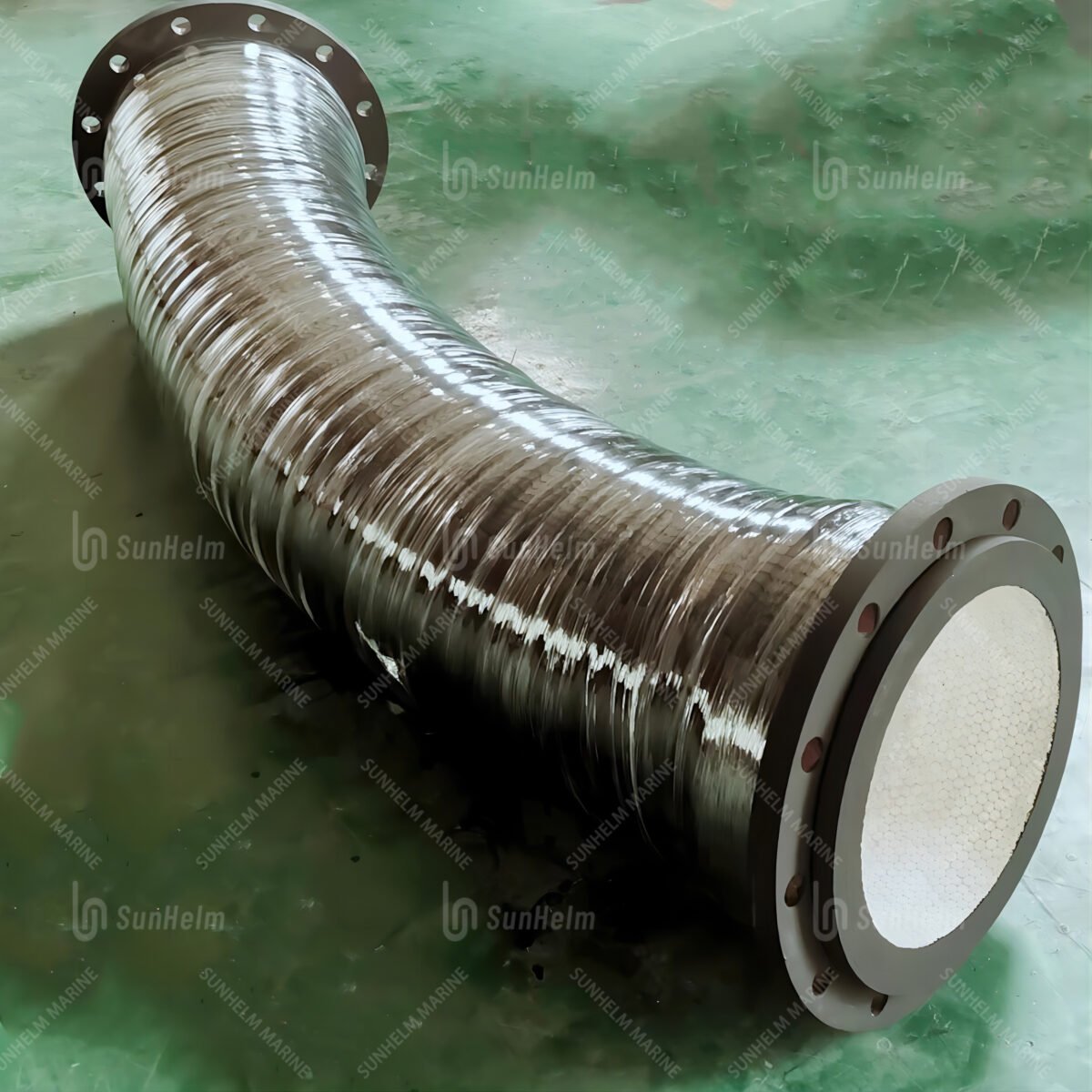
What is a Ceramic Dredging Hose?
A ceramic dredging hose (or ceramic dredge rubber hose) is a special type of hose used for dredging and slurry transportation. These hoses are made by embedding ceramic tiles or blocks into the rubber lining of the hose. This provides excellent protection against wear and tear, especially in places where sand, rocks, and other abrasive materials flow through the pipe.
Why Use Ceramic Dredging Hoses?
1. Super High Abrasion Resistance
Ceramic tiles are extremely hard and durable. This makes ceramic hoses perfect for dredging projects that deal with highly abrasive materials like sand and gravel. The ceramic helps protect the hose from damage and extends its lifespan, saving you money in the long run.
2. Lower Maintenance Costs
Because ceramic dredging hoses last much longer than regular rubber hoses, you don’t have to replace them as often. This reduces the overall cost of maintenance and downtime for your dredging operations. Fewer replacements mean fewer disruptions to your project.
3. Localized Protection
One of the most important features of ceramic dredging hoses is that you can add ceramic protection only where it’s needed. For example, in areas where wear and tear are highest (like bends or the bottom of the hose), ceramic protection can be added without increasing the cost of the entire hose.
4. Flexibility and Strength
While ceramic materials are very strong, ceramic dredging hoses are still flexible enough to handle the bending and movement needed during dredging projects. This makes them easier to install and use, especially in floating pipeline systems or connecting sections of pipe.
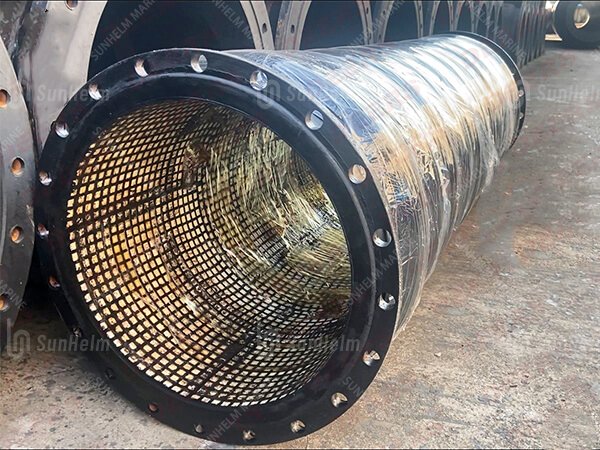
How Are Ceramic Blocks Attached to the Hose?
The ceramic blocks used in these hoses are attached in a process called vulcanization. Here’s how it works:
- Ceramic Block Placement: Small ceramic tiles are embedded into the rubber hose in a specific pattern. These tiles are usually arranged in a hexagonal or square shape to maximize the coverage and wear protection.
- Vulcanization: Once the tiles are placed, the hose is heated and pressurized. This process bonds the ceramic blocks to the rubber lining, making them firmly fixed inside the hose. The heat makes the rubber and ceramic become one seamless piece, which prevents the tiles from coming loose.
- Mechanical Locking: In addition to vulcanization, the shape of the ceramic tiles also plays a role. Many ceramic blocks have special shapes or grooves that “lock” into the rubber lining, providing extra security to ensure they won’t slip out of place during operation.
Best Applications for Ceramic Dredging Hoses
Ceramic dredging hoses are ideal for several specific applications, especially where high wear and tear is common. Here are the best places to use them:
1. Harbor and River Dredging
When dredging harbors or rivers, the hose often carries a mixture of sand, gravel, and debris. This mixture is very abrasive and can wear down standard hoses quickly. Ceramic hoses are perfect for these environments because they can withstand the constant abrasion and continue to perform over long periods.
2. Sand Mining and Aggregate Transportation
In industries like sand mining, the materials being transported are rough and can damage regular hoses. Ceramic dredging hoses are ideal for transporting sand, gravel, and other heavy, abrasive materials.
3. Coal, Ash, and Slag Transport
Industries like power plants and steel mills often need to transport coal, ash, and slag, which can cause significant wear to standard hoses. Ceramic hoses help reduce the need for frequent replacements, lowering maintenance costs in these high-wear conditions.
4. Offshore Mining and Heavy-Duty Slurry Transfer
Offshore mining operations that deal with tough materials like minerals and ores require hoses that can endure extreme conditions. Ceramic dredging hoses provide extra durability for these challenging environments, especially when the hoses need to float or be flexible.
Best Places to Install Ceramic Dredging Hoses
Ceramic dredging hoses work best in specific parts of the pipeline where the wear is greatest. Here are some of the best spots to use ceramic hoses:
1. Bottom Section of the Pipe
The bottom of the hose is often where the most wear occurs because of the constant flow of abrasive materials. Adding ceramic protection in this area helps prevent rapid deterioration and ensures the hose lasts longer.
2. Bends and Curves in the Pipeline
In curved sections of the pipeline, the flow of slurry can cause increased friction and wear, especially on the outer curves. Ceramic blocks should be placed on the outer parts of these curves to protect them from abrasion.
3. Pump Outlets and High-Speed Sections
Where the slurry is being pumped out or where the flow speed is high, the hose is at risk of abrasion from fast-moving particles. Placing ceramic protection in these areas can help protect the hose and reduce maintenance needs.
4. Areas of Diameter Change
When the pipe changes diameter, it can cause turbulence and higher wear on the hose. Ceramic lining in these sections helps protect against damage and ensures smooth material flow.
5. Flexible or Floating Pipe Sections
For floating pipelines or sections of pipe that need to bend, ceramic dredging hoses can offer a strong yet flexible solution. The added ceramic protection makes sure the hoses don’t wear out too quickly, even in challenging environments.

How to Choose the Right Ceramic Dredging Hose
When selecting a ceramic dredging hose for your project, here are some key points to consider:
- Only Add Ceramic Where Needed: There’s no need to cover the entire hose in ceramic if only certain parts are at high risk of wear. Focus on the areas where abrasion is most likely to occur, such as the bottom or bends.
- Choose the Right Ceramic Tile Size and Shape: Different projects have different needs, so select ceramic tiles that are best suited for your project’s specific conditions. Smaller tiles work better for fast-moving particles, while larger blocks may be needed for heavy-duty operations.
- Check the Manufacturing Quality: Always choose ceramic hoses from reputable suppliers. Make sure they provide test results for bond strength and abrasion resistance to ensure the hose will perform as expected.
- Flexible Yet Strong: Make sure the hose maintains flexibility, especially in areas that require frequent bending. You want a hose that can handle tight turns while still providing the abrasion resistance you need.
Installation, Maintenance, and Care
While ceramic dredging hoses are tough, they still need proper installation and maintenance to perform their best:
- Inspection Before Use: Always inspect ceramic hoses for visible damage before installation. Check that the ceramic tiles are intact and securely bonded.
- Monitor During Operation: Keep an eye on the hose during initial operations to ensure there are no signs of failure or unexpected wear. Early detection can prevent major issues later.
- Regular Wear Checks: Over time, even ceramic hoses will experience wear. It’s important to measure the thickness of the hose regularly and replace sections when necessary.
- Keep Spare Parts Handy: It’s a good idea to keep some pre-fabricated ceramic hose sections on hand so that if a part gets damaged, it can be quickly replaced, minimizing downtime.
FAQ
Q1: Will ceramic tiles fall off the hose?
A1: No, ceramic tiles are securely bonded to the rubber lining using a process called vulcanization, which fuses the ceramic and rubber together. Additionally, the ceramic tiles are often designed with locking mechanisms that prevent them from coming loose during use. If you choose a reliable supplier and quality product, tile loss is very rare.
Q2: Can ceramic dredging hoses bend?
A2: Yes, ceramic dredging hoses maintain flexibility, although the bend radius may be slightly larger than regular rubber hoses. However, they are still flexible enough to be used in a variety of applications, including floating pipelines or curved sections of a dredging system.
Q3: How do I know if I need ceramic dredging hoses?
A3: If your dredging project involves transporting highly abrasive materials like sand, gravel, or ash, and you want to minimize downtime due to hose damage, ceramic dredging hoses are a great option. They are especially useful in high-wear areas such as bends, pump outlets, and pipe transitions.
Q4: Are ceramic dredging hoses more expensive than regular hoses?
A4: Yes, ceramic dredging hoses generally cost more upfront than regular rubber hoses due to the added ceramic material. However, they save money in the long run by reducing maintenance costs and extending the hose’s lifespan.
Q5: Can ceramic dredging hoses be used for offshore projects?
A5: Yes, ceramic dredging hoses are an excellent choice for offshore projects, especially where hoses need to float or bend. Their high abrasion resistance makes them ideal for the harsh conditions of offshore mining or slurry transport.
Conclusion
Ceramic dredging hoses are an excellent choice for dredging projects that involve abrasive materials. Their durability and resistance to wear make them a valuable investment for industries that deal with harsh materials like sand, gravel, and ash