
How to Dredge a Stream?
2025-10-27What is a dredging project?
2025-10-31Dredging projects move sand, mud, and gravel from one place to another. These jobs need strong and flexible pipelines that can handle heavy work in tough conditions. Today, many dredging companies choose HDPE pipes because they are light, durable, and easy to use. When used together with pipe floats, they create a reliable floating pipeline system that makes dredging faster and safer.
What Are HDPE Pipes?
HDPE stands for High-Density Polyethylene. It is a kind of plastic known for its strength and flexibility. HDPE pipes are commonly used to move water, slurry, or other materials. In dredging, they carry mud and sand from the seabed or riverbed to the shore or disposal area. Because HDPE pipes are strong but light, they are much easier to move and install than steel pipes.
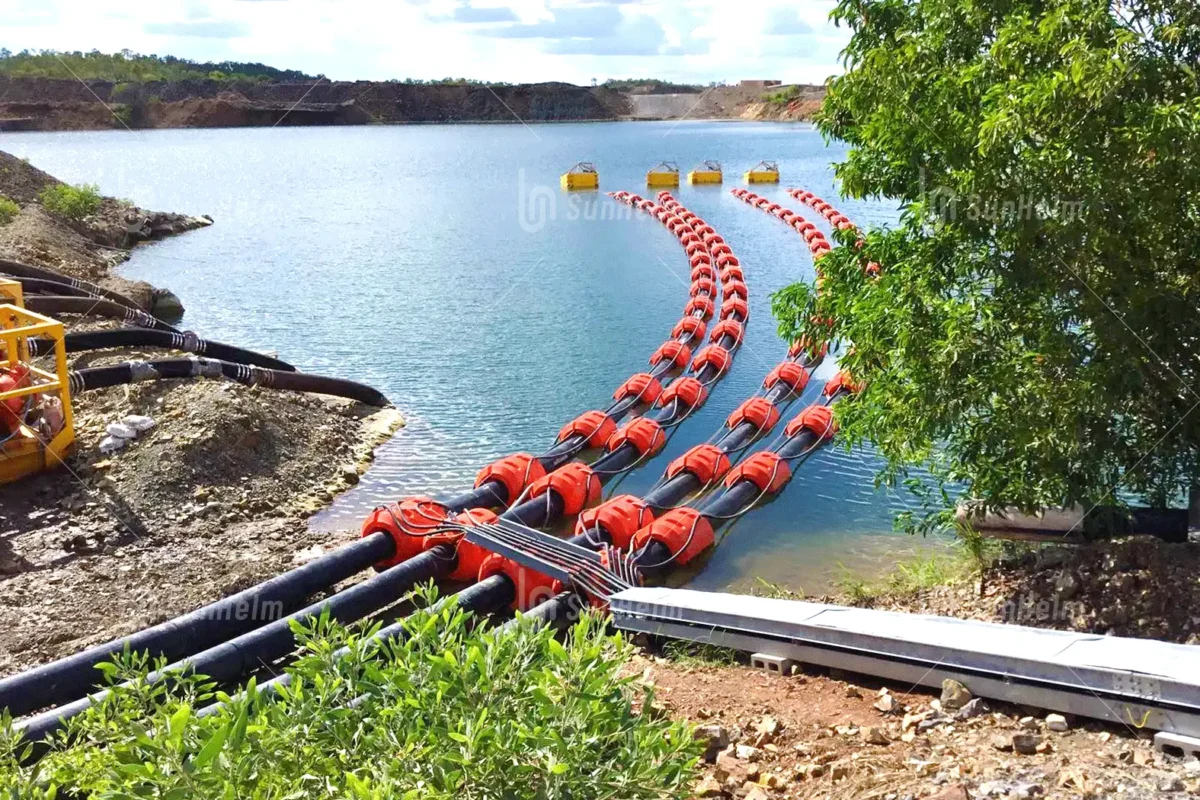
Why HDPE Pipes Are Great for Dredging
HDPE pipes have many benefits that make them ideal for dredging work:
- Lightweight and easy to handle. Workers can move and connect them without heavy machines.
- Strong and flexible. They can bend with waves or tides without breaking.
- Resistant to corrosion. Saltwater does not damage them like it does with metal pipes.
- Smooth inner surface. The smooth wall reduces friction, helping the slurry flow easily.
- Tight joints. Welded connections stop leaks and save material.
Because of these features, HDPE pipes lower maintenance costs and make dredging more efficient.
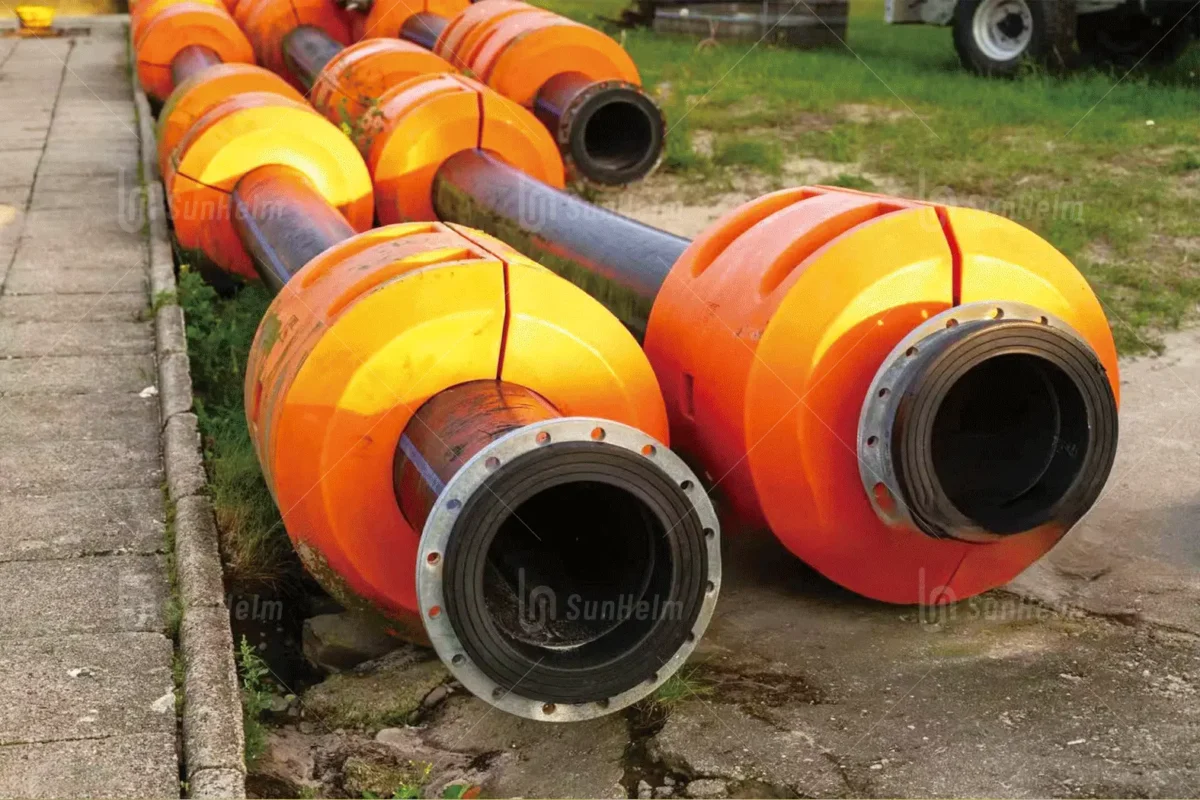
How to Choose the Right HDPE Pipe for a Dredging Project
Selecting the correct pipe is important for safety and performance. Engineers should think about:
- Pipe diameter and flow rate. The pipe must handle the right volume of mud and water.
- Wall thickness and working pressure. The pipe must resist pressure and external stress.
- Connection method. Fusion welding is the best for strong and leak-free joints.
- UV resistance. If the pipes stay in the sun for a long time, they need UV protection.
Good planning helps avoid leaks and breaks during operation.
Why HDPE Pipes Need Pipe Floats
During dredging, HDPE pipes often float on water. Without support, the pipeline could sink, bend, or drift away in waves. That’s why pipe floats are so important.
Pipe floats keep the pipes at a stable level on the surface, reducing stress and wear. They also make inspection and repair easier. A floating pipeline supported by floats is safer, lasts longer, and performs better.
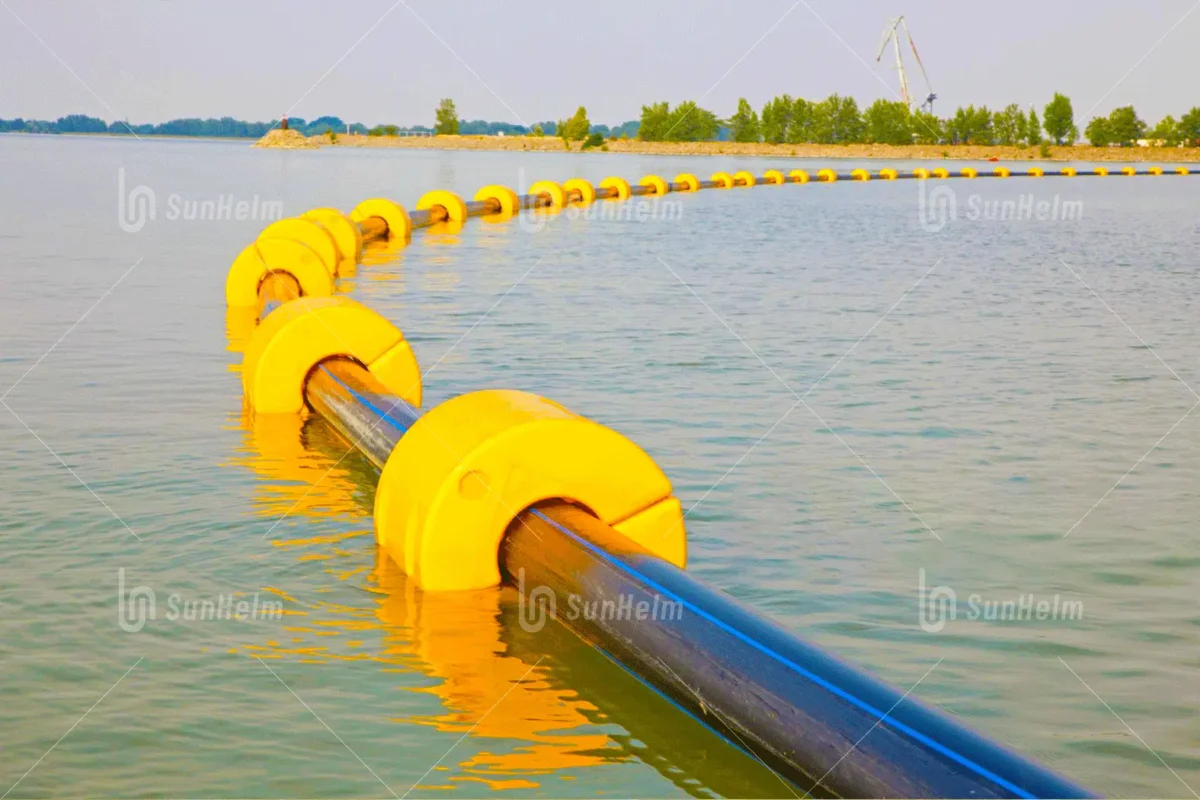
Hollow Plastic Pipe Floats
The most common type of pipe float used with HDPE pipes is the hollow plastic float. These floats are made of high-strength polyethylene, the same material as the pipes.
Each float has two half-shells that lock together around the pipe with bolts or straps. The air-filled hollow center makes it very buoyant. Here’s why hollow plastic floats are a good choice:
- Light but strong. They can support heavy pipes and slurry while staying easy to install.
- Corrosion-free. Saltwater does not damage them.
- Long-lasting. They resist UV light and harsh weather.
- Simple installation. You can add or remove floats anytime to adjust the pipeline height.
When installed at proper intervals, hollow plastic floats keep the HDPE pipeline stable and level even in rough seas.
Installation Steps
- Inspect the materials. Make sure the pipes and floats have no cracks or defects.
- Join the pipes. Use heat fusion or mechanical couplings to connect the sections.
- Attach the floats. Place each float around the pipe and secure it with bolts or straps.
- Check spacing. Keep equal distance between floats for balance.
- Anchor the line. Fix the floating pipeline to shore or anchors to prevent drifting.
- Test the system. Pump water first to check for leaks before dredging starts.
Proper setup ensures the system works smoothly and safely.
Maintenance and Safety Tips
- Inspect floats and pipes often for damage or leaks.
- Remove mud, shells, or plants stuck to the pipe surface.
- Replace broken floats right away.
- Avoid dragging the pipe on sharp rocks or rough ground.
- Use safety gear like life jackets and ropes during work on water.
Regular care keeps the system working longer and reduces costs.
Environmental Care
HDPE pipes and hollow plastic floats are environmentally friendly. They do not rust, and they can be recycled after use. Keeping the pipeline in good condition also prevents slurry from leaking into the water and harming marine life. Dredging teams should always follow local environmental rules and safety standards.
FAQ: HDPE Pipes in Dredging
Q1: Why not use steel pipes instead of HDPE pipes?
Steel pipes are strong but heavy and hard to move. They also rust in seawater. HDPE pipes are lighter, flexible, and last longer in marine conditions.
Q2: How long do HDPE pipes last?
With good care, HDPE pipes can last more than 20 years, even in tough dredging jobs.
Q3: How far apart should I place the hollow plastic floats?
It depends on the pipe size and slurry weight, but usually floats are placed every 1–2 meters to keep balance.
Q4: Can HDPE pipes handle high pressure?
Yes, but you must choose the right pressure rating and wall thickness for your project.
Q5: Are hollow plastic floats reusable?
Yes. You can remove them after one project and use them again in the next one.
Conclusion
HDPE pipes have changed the way dredging projects work. They are light, flexible, and built to last. When used with hollow plastic pipe floats, they form a floating system that is safe, efficient, and cost-effective. For any dredging project, this combination is a smart and proven choice.