
How Dredging Helps Restore Former Mining Areas?
2025-11-21Port Expansion: Key Steps, Needed Equipment, and Why Dredging Hoses Matter
2025-11-28Rivers naturally collect sediment over time, which can block navigation, increase flood risks, and harm water quality. But how often should a river be dredged? The answer isn’t one-size-fits-all. It depends on how fast sediment builds up, what the river is used for, seasonal changes, and local regulations.
Factors That Affect Dredging Frequency
Sediment Rate
The faster sediment comes from upstream—whether from soil erosion, construction, or sand mining—the quicker the river fills up.
River Usage
Rivers used for shipping, irrigation, or water supply need more frequent dredging than rivers with less activity.
Seasonal Changes
Heavy rains, storms, and flood seasons can speed up sediment buildup, making regular checks more important during these periods.
Rules and Safety
Local rules for navigation depth or flood safety can also dictate how often dredging is needed.
Budget Considerations
Your budget may affect whether you do small frequent dredging or large-scale dredging every few years.
How to Know When to Dredge
- Measure water depth and riverbed changes regularly.
- Check navigation routes, water intakes, and areas prone to flooding.
- Combine surveys, drone or satellite monitoring, and visual inspections to decide the right time for dredging.
Common Dredging Methods
- Mechanical Dredging: Uses buckets or grabs to remove sediment near the shore or for large clumps.
- Hydraulic / Suction Dredging: Pumps sediment from the riverbed and moves it through a pipe to a disposal site.
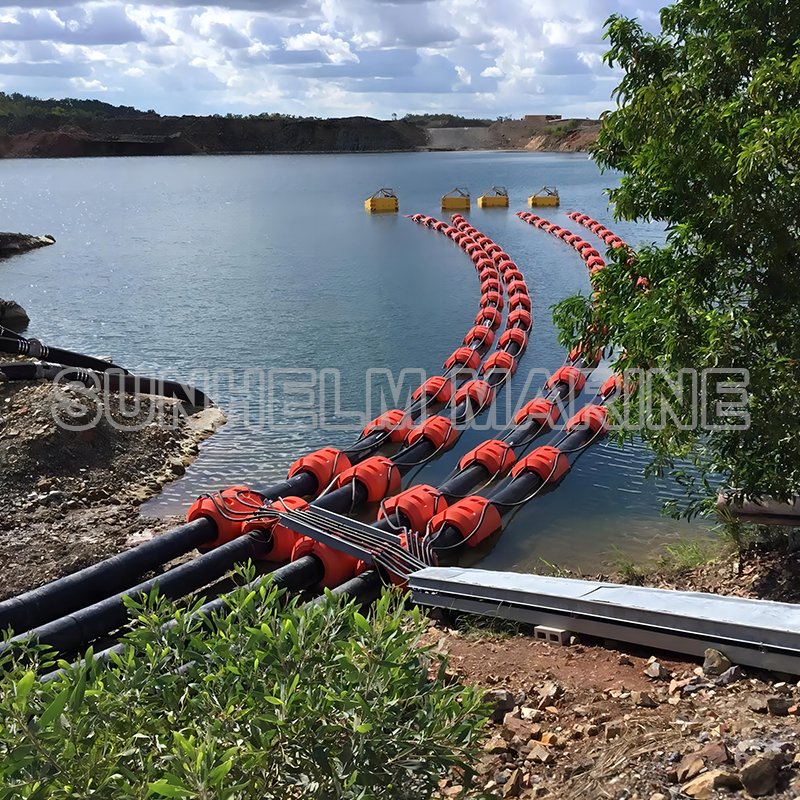
Here is where a dredging hose comes in naturally. In hydraulic dredging, a dredging hose is a flexible pipe that connects the pump to the discharge point. It allows sediment to flow easily from the riverbed to the disposal area. Using a dredging hose makes dredging faster, easier to manage, and more flexible. It also supports more frequent, smaller dredging operations, which can be less disruptive and more cost-effective than rare, large-scale dredging.
Dredging Strategies
- Periodic Large Dredging: One big dredging job every few years, common where budgets are limited.
- Maintenance Dredging: Smaller, frequent dredging using hydraulic pumps and dredging hoses to keep navigation safe and water flow steady.
- Event-Driven Dredging: After storms, heavy rains, or nearby construction, dredge as needed to restore river depth.
Conclusion
There’s no fixed schedule for river dredging. Monitor sediment levels, river use, and seasonal changes to decide the best frequency. For a flexible, efficient approach, hydraulic dredging with dredging hoses often works best, especially for maintaining rivers without major disruption.
FAQ
1. How fast does sediment build up in rivers?
It varies depending on upstream erosion, rainfall, and river use. Some rivers need dredging every year, while others can go several years.
2. What is a dredging hose used for?
A dredging hose connects a suction pump to the discharge site, letting sediment flow from the riverbed to a disposal area. It makes dredging easier and more flexible.
3. How does dredging affect river ecology?
Dredging can disturb habitats temporarily, but careful planning and frequent small-scale dredging can reduce environmental impact.