
Application of HDPE pipes in dredging projects
2025-10-29What Are the Three Types of Dredges?
2025-11-04Have you ever seen a ship stuck near the shore because the water was too shallow? Or noticed that rivers get muddy and full of sand after a big storm? When this happens, people need to dredge the bottom of the water to clear it up. This work is called a dredging project, and it plays a big role in keeping ports, rivers, and lakes safe and useful.
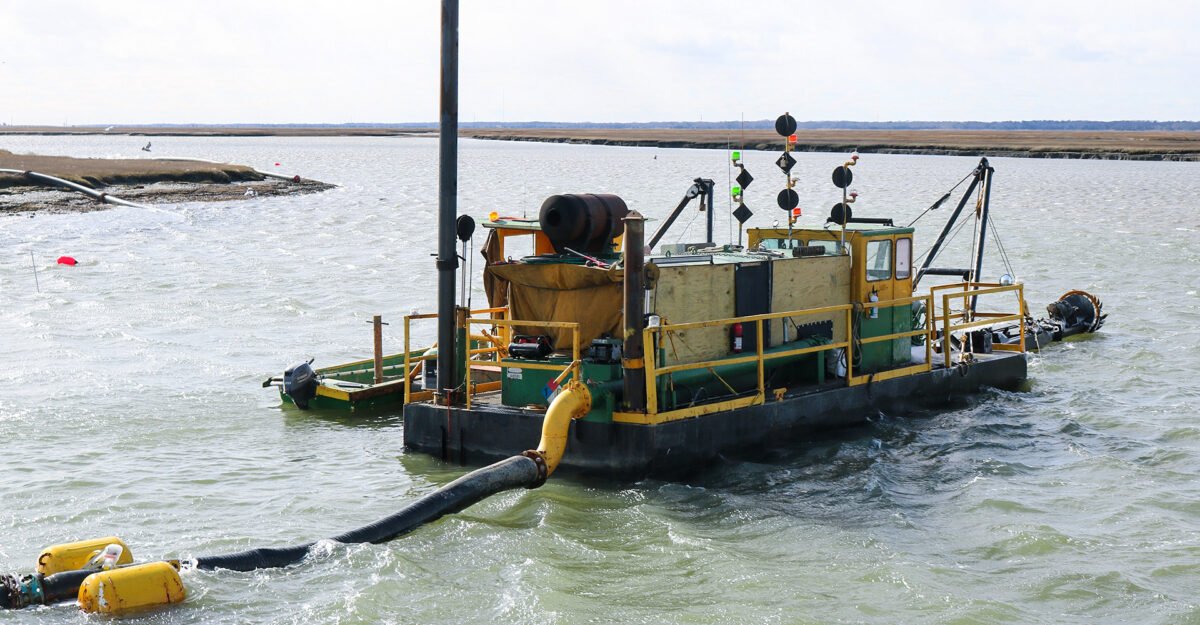
What Does “Dredging” Mean?
In simple words, dredging means removing sand, mud, and other materials from the bottom of rivers, ports, or lakes.
It helps people in many ways. For example:
- It keeps shipping channels deep enough for big ships.
- It lowers the risk of floods by improving water flow.
- It creates new land for construction.
- It cleans up polluted mud to protect the environment.
In short, a dredging project is both an engineering job and an environmental mission. It supports trade while helping nature recover.
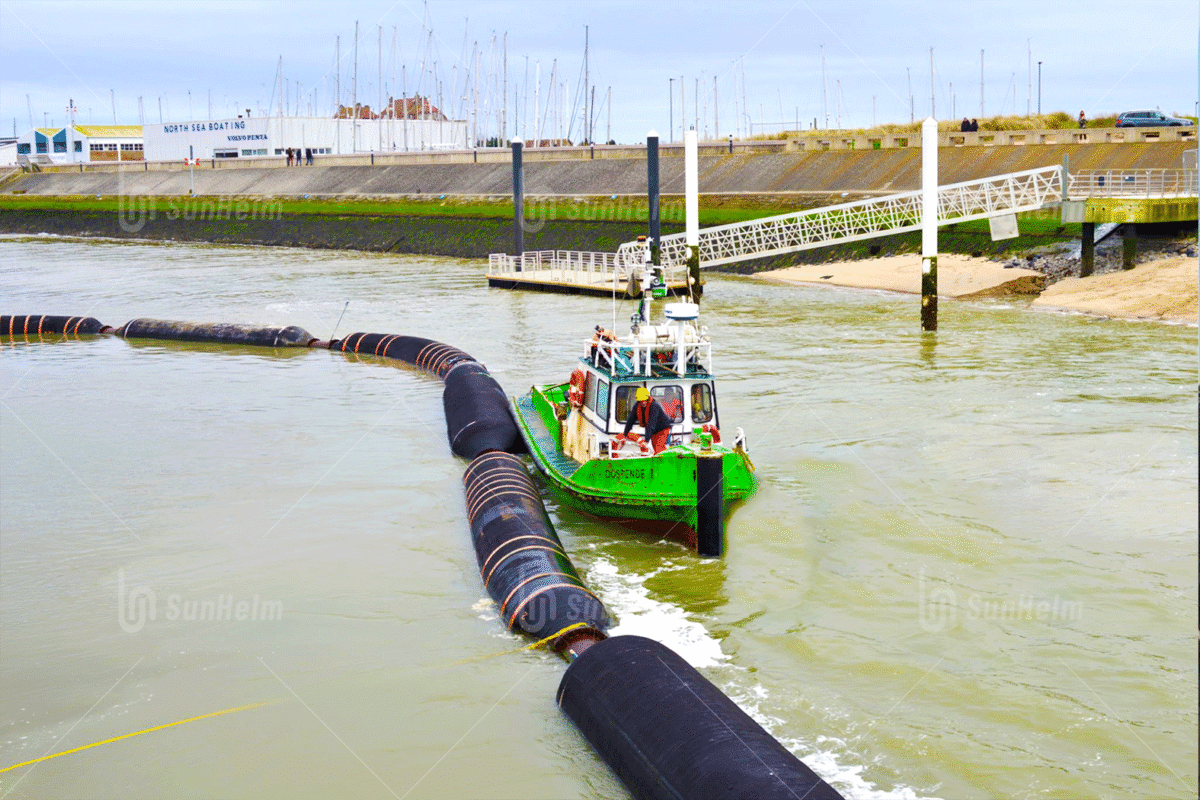
Common Types of Dredging
Different methods work for different jobs. First, let’s look at the main types:
- Mechanical dredging – Big machines with buckets or grabs scoop up mud and debris from the bottom.
- Hydraulic dredging – Pumps suck up mud mixed with water and send it through long pipes.
- Cutter suction and hopper dredgers – These large ships use rotating cutter heads and powerful pumps to dig and move sediment at the same time.
As a result, when we use hydraulic or suction dredging, we need dredge hoses. These hoses connect pumps and pipelines so the mixture of mud and water can move safely and smoothly.
Equipment Used in Dredging
Every dredging project needs several machines working together. There are dredger ships, suction pumps, floating pipelines, and control systems.
Among them, one key part stands out — the dredge hose.
A dredge hose is a strong, flexible rubber tube that carries mud, sand, and water under high pressure. It connects the pump to the discharge pipe and bends easily as the ship moves. Because the material is rough, the hose must resist abrasion, corrosion, and pressure.
Choosing the right dredge hose matters a lot. It keeps the system stable, prevents leaks, and helps avoid costly downtime. Modern hoses use advanced rubber layers that make them last longer and work better, even in tough conditions.

How a Dredging Project Works
Now that you know the equipment, let’s see how dredging actually happens step by step:
- Planning and survey – Engineers study the area, measure depth, and plan how much material to remove.
- Setup – Workers position the dredger and connect the dredge hoses and pipelines.
- Dredging operation – The pump starts moving mud and sand through the hoses toward the discharge area.
- Disposal or reuse – The removed material often goes to a safe dumping site or is reused to build new land.
- Final check – Engineers inspect the site to confirm the correct depth and safety levels.
Throughout this process, crews watch the hoses and pumps carefully to stop leaks early. As a result, the whole system runs more safely and efficiently.
Environmental and Social Impacts
Like most projects, dredging brings both benefits and challenges.
On the positive side, dredging keeps waterways open, prevents flooding, removes pollution, and supports port or beach restoration.
However, it can also stir up mud, disturb sea life, and release old pollution from the seabed.
To solve these problems, engineers now use smarter techniques. For example, they pump more slowly, use sediment traps, and check water quality all the time. In this way, dredging becomes cleaner and safer for nature.
New Technology and Innovation
Dredging technology keeps improving every year.
Today, sensors and GPS help operators control the pumps more accurately.
Moreover, new dredge hoses use stronger materials that resist wear and last longer, which saves money and reduces waste.
In addition, many dredging teams now reuse clean sand for beach repair or land reclamation.
Finally, remote-controlled dredgers make the job safer and more efficient.
Real Example
Imagine a busy port filled with ships. Over time, sand builds up and ships cannot move safely. So, engineers plan a dredging project. They bring in dredger ships and connect long floating dredge hoses. The hoses carry sand to a safe disposal site. After a few weeks, the port becomes deeper and ships can come and go again without problems.
FAQ
1. Does dredging harm the environment?
Sometimes it can, but careful planning and modern tools greatly reduce the harm.
2. How often do ports need dredging?
It depends on how fast sediment builds up. Some ports dredge every year, while others do it every few years.
3. What are dredge hoses made of?
They are usually made of strong rubber with special layers that resist wear, bending, and saltwater.
4. Can dredged materials be reused?
Yes! Clean sand can be reused for beaches or land reclamation.
5. Why are dredge hoses so important?
Because they keep the whole system moving safely — without them, no material could be pumped at all.
Conclusion
To sum up, dredging projects keep our ports, rivers, and coasts open and safe. They protect cities from floods, support shipping, and help the environment recover.
Behind every successful dredging project is a strong, flexible, and reliable tool — the dredge hose — working quietly under the water.