
How to Store Dredging Rubber Hoses?
2025-10-24Application of HDPE pipes in dredging projects
2025-10-29When a stream fills up with sand, mud, and debris, the water starts to slow down or even flood nearby land. Dredging helps fix that. It cleans out the bottom of the stream so water can flow smoothly again. In this guide, we’ll explain how to dredge a stream step by step — and why choosing a good dredge hose from Sunhelmmarine makes your job much easier.
What Is Stream Dredging?
Dredging a stream means removing mud, sand, or rocks that have built up over time. This process keeps the water deep enough for flow, prevents flooding, and improves the environment. Most small dredging projects use machines or pumps with dredge hoses to move the material out of the stream safely.
Plan Before You Start
Before you bring in any equipment, take time to plan.
- Survey the site: Measure depth, flow speed, and how much material you need to remove.
- Check the soil or sediment: Some mud may contain chemicals or waste and needs special handling.
- Get permits: Always ask local authorities before you start. Some areas protect fish or plants.
- Think safety: Mark work zones, plan access routes, and prepare emergency gear.
If you’re not sure what equipment or dredge hose to use, Sunhelmmarine can help you choose the right setup for your project.
Equipment and Materials You’ll Need
To dredge a stream, you’ll need the right tools:
- Excavator or dredge pump: For removing and pumping out sediment.
- Dredge hoses: Strong rubber hoses that move mud and water from the pump to the discharge area.
- Floaters and fittings: To keep the hose above water and easy to move.
- Safety gear: Gloves, boots, life vests, and warning signs.
Sunhelmmarine offers dredge hoses built to last. They’re flexible, wear-resistant, and work well even in tough conditions like sand or gravel.
Common Dredging Methods
There are a few ways to dredge a stream:
- Mechanical dredging: Use an excavator or grab bucket to scoop out mud.
- Hydraulic dredging: Use a pump and dredge hose to suck up mud and send it to a discharge site.
- Cutter suction dredging: Cut through thick mud or clay before pumping it out.
For small streams, people often use a portable pump and flexible dredge hose. It’s faster and cleaner than digging by hand.
Step-by-Step: How to Dredge a Stream
- Block off the area. Set up barriers or warning signs so no one enters the work zone.
- Set up equipment. Place the dredge pump in the water and connect the dredge hose to the discharge pipe or tank.
- Check connections. Make sure all hoses and clamps are tight.
- Start the pump slowly. Begin at low speed to test flow and avoid leaks.
- Move the intake. Work slowly along the stream bottom, removing sediment evenly.
- Discharge the mud. Pump the mixture to a drying area or tank through the dredge hose.
- Clean up. Remove leftover debris and restore the banks or plants if needed.
Good hose setup makes this whole process smoother. A flexible Sunhelmmarine dredge hose can bend easily, handle high pressure, and last through many projects.
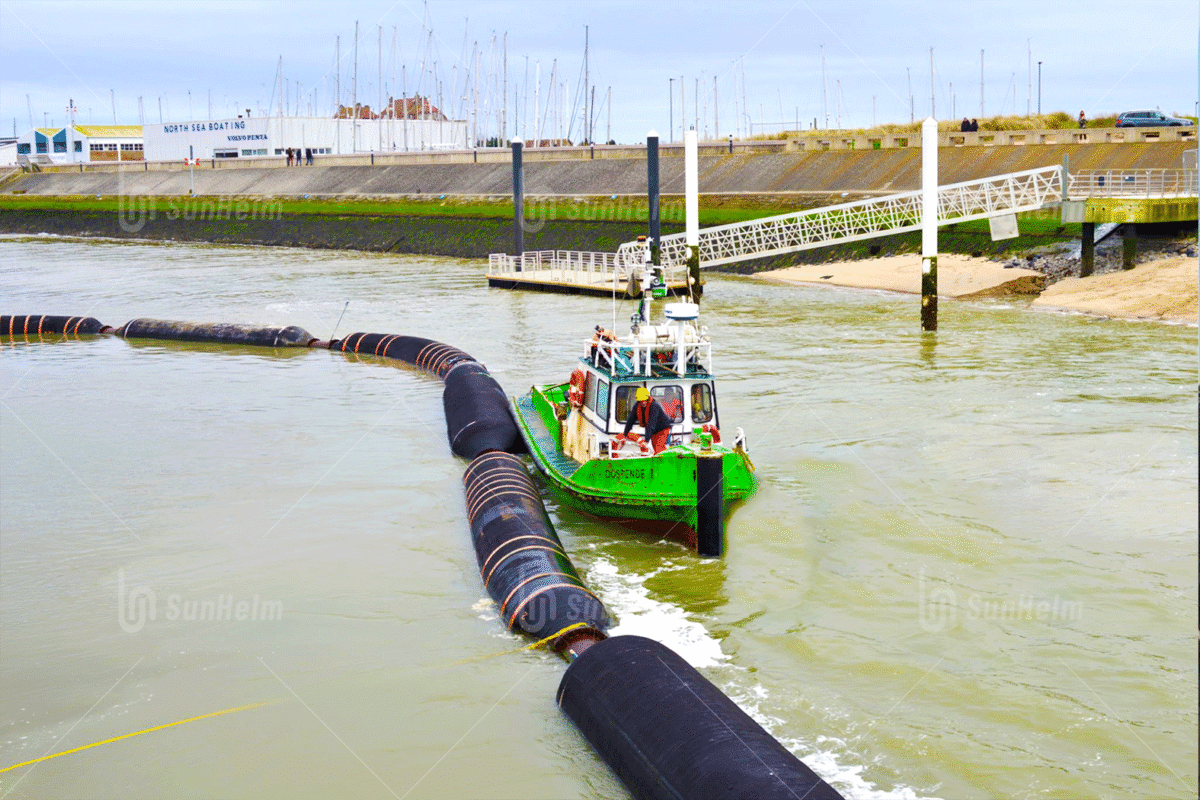
Choosing the Right Dredge Hose
Not all hoses are the same. Here’s what to look for:
- Inner diameter: Match it with your pump size.
- Pressure rating: Choose a hose that can handle your pump’s output.
- Wear resistance: Sand and gravel can wear hoses fast — use one with a thick rubber lining.
- Flexibility: A good hose won’t kink or crack when bent.
Sunhelmmarine dredge hoses are designed for long service life. They resist abrasion, pressure, and bending. You can also order them in custom lengths or with floating parts.
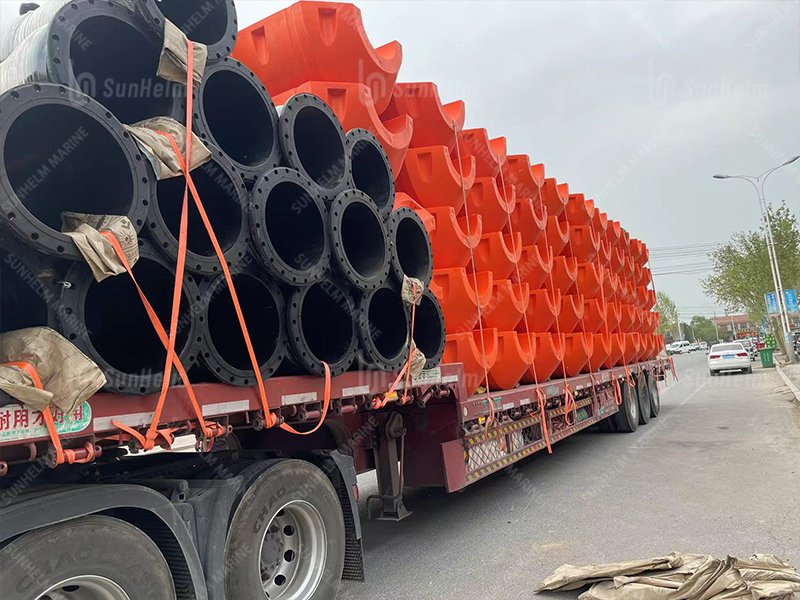
Maintenance and Safety Tips
Keep your equipment in good shape:
- Check the dredge hose for cracks or leaks every day.
- Wash out sand and mud after each job.
- Tighten all bolts and clamps before restarting the pump.
- Replace worn hose sections in time to prevent breaks.
- Store hoses in a cool, dry place when not in use.
Safety first — always wear protective gear and make sure all team members know emergency signals.
Environmental Care
Dredging changes water flow and can affect wildlife, so work carefully.
- Use silt curtains to stop mud from spreading.
- Avoid fish breeding seasons if possible.
- Dispose of the dredged material properly, especially if it’s polluted.
Protecting the environment keeps your project safe and legal.
Example Project
A city drainage team once cleared a 200-meter stream using a 6-inch pump and Sunhelmmarine dredge hoses. They finished in two days, safely moved 50 cubic meters of mud, and had no hose leaks. The team said the flexible hoses made setup and cleanup much faster.
FAQ
1. When should I dredge a stream?
When water flow slows down or the channel looks blocked with mud or weeds.
2. What size dredge hose should I use?
Match the hose to your pump’s outlet size and flow rate.
3. How long does a dredge hose last?
A good rubber dredge hose can last several years with proper care.
4. Is dredging bad for the environment?
Not if done carefully and with the right equipment.
5. Can I reuse dredge hoses?
Yes, just clean and inspect them before each project.
Conclusion
Dredging a stream takes planning, care, and the right tools. With a reliable dredge hose from Sunhelmmarine, you can move mud safely and keep your stream flowing again.
Need help choosing the right hose? Contact Sunhelmmarine today — we’re here to help your next dredging project run smoothly.